


’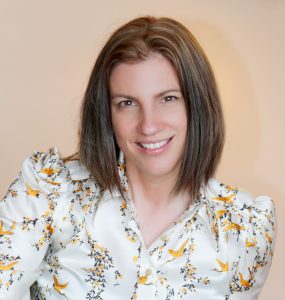 That’s all we’ve got as well in this age of AI… we have to put heart and soul into what we create.’
When someone cheerfully tells you that when one door closes another door opens in the midst of the rawness of redundancy, you’d be forgiven for wanting to punch them. Eleanor Tweddell certainly did. But then she made a conscious decision to ‘lean in’ to the idea of another door. It turns out that opportunity is often disguised as messy chaos – it’s all about how you choose to view it.
Eleanor shares how her ‘Another Door’ blog, podcast and book came about – the idea that wouldn’t leave her alone, the conversations that moved it forward and the creative process that begins – like all good things – with a whiteboard and is so very, very different from the polished, orderly approach of her corporate comms background.
This is a conversation about what it means to be human in the act of creation, and to seek out connection before your ideas feel ready to share. It’s about jealousy and comparisonitis and courage and designing for your reader, and it might just be the best thing you hear this week.
Eleanor’s site: https://anotherdoor.co.uk/
Eleanor on LinkedIn: https://www.linkedin.com/in/eleanor-tweddell/
Alison on LinkedIn: https://www.linkedin.com/in/the-alison-jones/
The 10-day Business Book Proposal Challenge: www.proposalchallenge.com
Alison Jones: Oh, this is very exciting. I’m here today with Eleanor Tweddell, who is a change specialist, a podcast host, yay. And author of Why Losing Your Job Could Be the Best Thing That Ever Happened to You, which is a great title by the way, and Another Door Opens, which is the one we’re going to be talking about today mostly. She helps individuals, teams, and organizations navigate transformation with confidence, reframing change as opportunity. Hence, I suppose, Eleanor, the Another Door line. Yes?
Eleanor Tweddell: Exactly. The bit that’s missing, which is really frustrating, is I’m kind of all about the mess of it all.
Alison Jones: Yes, I mean the door analogy doesn’t lend itself to that, does it? But, well, let’s talk about it because Another Door Opens is, it’s a great phrase because everybody knows where it comes from. That, you know, as one door closes, it’s another door opens, and it’s probably the most annoying thing anybody can say to you in the moment. So, yes, just talk us through sort of where that came from and why you decided to reclaim it.
Eleanor Tweddell: Yes, exactly that and people ask, I mean, am sure your listeners and your work always lends to this, where does an idea from a book come from? And it was exactly that. When I got made redundant many, many years ago, sitting on a group of maybe eight or ten of us all just kind of like had the news and we were trying to process, someone came over to us in the office and said well, you know, when one door closes, another door opens. Wrong moment, and it was the most irritating, annoying, frustrating, upsetting, all of the emotions, messy emotions, and it really annoyed me. And I drove home that day and it stuck in my head and I just thought, how dare they.
And then still at night, I was thinking, why am I still obsessing about this? It came from a good place. It was just annoying. Then a couple of weeks later, after I processed, I was like, do you know what? I’m going to lean into it, rather than this kind of weird energy that I’ve got. Why shouldn’t it be an opportunity? Why shouldn’t it be a good thing? Why am I resisting that? And that’s where my blog started.
So, I think, when ideas come to us, they don’t always come in this beautifully packaged, kind of, you know, come from the dove from above. They don’t come like that. Sometimes they come from weird spaces of irritation. So yes, that’s where it came from.
Alison Jones: But embedded in that is something really interesting, which is that if an idea won’t leave you alone, there’s something there. And even if you’re feeling really negatively about it, the fact that it stuck, that phrase has stuck, just tells you that there’s something going on that’s interesting.
I mean, I’d say that was a great opportunity for a bit of exploratory writing myself, but then I would say that, because that’s generally my answer to everything.
But you have got the kind of whole ecosystem around it now, haven’t you? You’ve got the book, you’ve got the blog, as you mentioned, you’ve got the podcast. Sort of what order did it all happen in and how does it all work together?
Eleanor Tweddell: Yes, and it’s a really good point you make about the writing bit now, because that wasn’t part of life at that point. It was in a corporate sense. So I was corporate comms. I still do corporate comms. That writing is really restricted. It’s tense. It’s really, you know, every word gets scrutinized. It has to have the right language, it has to land well. And that was my space.
Alison Jones: That’s writing in the spotlight, isn’t it?
Eleanor Tweddell: Exactly. And in some situations it still is now, but when I started my blog, this was a new world, this was unlearning. So I started with the blog, but it felt so uncomfortable because one, I didn’t know what the heck I was doing setting up a blog at that point in time, it was quite tricky.
And two, I had to let go of some of this kind of having to get things right. And that’s what I started to learn and look around going, oh, people just sort of write any old crap. You know, wow, because I was sort of writing, you know, trying to get everything right and find answers and someone said, no, no, no, you just write anything, put it out there.
So that was a lot of unlearning. So it started with the blog and then I went along to a workshop and they were talking about, you can create a book. And I thought, well, why not? And I’ve got all these blogs by now, this is probably a year into the blog. And I started thinking more about, well, why shouldn’t it be a book?
So it kind of was blog, book, but then community started to build around it because people were reading the blog and going, oh, I’ve lost my job. Let’s talk. And so that’s where the business idea came from.
So it kind of, it didn’t have a beautiful sequence, it just kind of evolved into that space.
Alison Jones: And I think often books do, I think sometimes the best books come out of a conversation that’s already going. And so, I find a lot of people are like, oh, I’ve got an idea and I’m going to treasure it and keep it secret and lock myself away in a room. But actually it’s, as you talk about it, you start to gain some traction and you start to find some language around it. You find your people. That’s the time to be launching a book, isn’t it? Not when you’re kind of, you have this world that has no idea what you’ve been doing for the last two years.
Eleanor Tweddell: Oh my goodness, yes, absolutely.
So I think what people have is ideas that come to them, as you say, visit, like Glennon Doyle talks about, and Elizabeth Gilbert, they talk about these ideas that come and visit them, which you love. And then another idea comes and another idea comes and it all gets a little bit like, you know, okay, I’ve got all these ideas, and then you start hiding the one that you really have energy for. But as you say, I feel like an idea needs to share and be out there to start building on. So, when I’ve got something that I think, oh, there’s something there. I’ll start building round conversations or I’ll start listening to how people talk about things. That’s how I mapped out the next, the second book.
So, I realized I wanted to go deeper on change, and I had this idea for it, but I was like, Hmm, but where do I want to take this? So I kind of had the idea that I want to sort go deeper into Another Door Opens. What does that mean? So by sharing it and saying, what does it mean to you? Or where are you at with this?
And I just told people, I was just like, yes, I’m writing this book about this. Can I just interview you about it? It opened more doors and more interest, and it helped me to structure my story because I could hear people actually talking through my idea. So yes, you’ve definitely got to share it and as you say, you have to start building an audience. You have to start testing it, putting it out into the real world.
It will reform several times as we know, like I had a book coach and she was like, you know that this beautiful draft that you’re really trying to get right the first time is not going to be anything like your final book, you know that, don’t you?
But in corporate world, you get the, you know, you’re trying to get the first version as close to possible, it’s just small edits. Whereas it’s almost the reverse on this kind of new style of writing. So yes, definitely get the shitty draft out there and start circulating, talking about it and building connection to the idea, that’s the whole energy that you want.
Alison Jones: Absolutely. And you have this lovely phrase in the book actually, you know, that whole kind of starting the idea thing, where, and it’s just a throwaway line, but I just thought, oh yes and I want to talk to her about that.
You say something, I’m just going to look up my notes. You say, most good things start with a whiteboard or flip chart, and you make the point that, you know, even in this digital age, most good things start with a whiteboard. And I thought, well, yes, and why is that? So I’m really interested in, why you say that, why it works for you, why you think other people need to just, you know, put the keyboard down for five minutes.
Eleanor Tweddell: Oh, I love it. Yes, I mean, I’ve actually looking at one right now, there’s a flip chart right where I’m at right now with a hundred Post-it notes. I think there’s something about getting, it’s that good old thing about rolling your sleeves up and getting amongst the idea, like how do you step into it? And in a digital space it’s even more important.
So, whether it is a conversation, whether it is hearing what you are thinking about around you, or whether it is a blank flip chart that you just start scribbling and seeing where it goes or capturing ideas. So that’s what’s on the flip chart in front of me. It’s ideas for conversations that people are having around a new theme I’ve got for maybe a third book, which I’m like, oh, that’s interesting, and I’ll write it down and I’ll kind of, instead of holding onto the idea, I write it down and see where it goes.
And every now and again I’ll stand in front of the flip chart and the post-it notes and I’ll say, right, what’s shouting at me? What am I going to take? Am I going to write a blog about this? Am I going to, is it going to make me think of a different action? What’s shouting at me?
So that’s how I sort of use it, but, yes, there’s so much good stuff that comes from just stepping away from the digital and getting into the idea. It’s something that I learned through, I love art, like the creation of art, and I watch artists create in their art, and I thought that’s what they do. They stand with their thoughts and ideas and they put the first mark on their canvas, and that’s never going to be the first, you barely know what the first mark is when they do that. How do they then start developing? They go away. They come back and, yes, so it’s that, it’s the equivalent of that.
Alison Jones: That’s a lovely image, isn’t it? That sense of just standing in front of this enormous canvas so, because somebody could say to you, well, Eleanor, for goodness sake, you know, I’ve got Trello. I can capture all my ideas, but it’s not the same as that physical getting in there. And, if you could, if you’re watching this rather than listening to it, you’ll see that we are both using our hands wildly. And that’s kind of the point, there’s a physical energy with this, isn’t there?
Eleanor Tweddell: There has to be. I think that’s all we’ve got as well in this age of AI. I mean, we have to put heart and soul into what we create. I’m a massive believer in that. Like this book, my second book took five years to sort of throw around, to do proper research. It probably has been brewing for 10 years in all its different ways.
I don’t want to bash it out in AI. I don’t want to chuck it out and it throws things at me. I can see how it can help form ideas, give structure. I can understand that, but I really want, when I look at art, I’ll go back to my art example, I actually want to see some mistakes. When I stand in the Tate Gallery, I want to see the art. Oh, look at that. There’s a little sketch where there was an idea coming and actually they’ve changed their mind, but I can see it, I can see the pencil sketch. I kind of want that in a book I read…
Alison Jones: …the connection, isn’t it?
Eleanor Tweddell: I love it when it’s a bit scrappy and I like that. I don’t want a beautifully polished thing that’s been sort of over-engineered. That’s just my personal preference. But yes, I think there’s something that humans can put energy into something they create and people connect with it. I totally believe that.
Alison Jones: So I’d just like to point out if anybody’s found a typo in our books that was deliberate. We put it there, you know, as a sort of expression of our humanness.
Eleanor Tweddell: Hundred percent. I have typos in this book and it actually drives me mad as a corporate comms person, you can imagine how I’m feeling about that because I did spot them. They just didn’t get picked up, as they don’t, but it actually drives me insane. Like the first day that my book came out, I just looked for the typos and I was like, why are you doing this to yourself?
So there is a weird relationship we have with them, but I had to remind myself. Oh my God, get over it. That is not what it’s about. This is about putting something out to the world that helps people think. That helps people do something different. It’s not about, oh, well done. You did a beautifully…
Alison Jones: …well done. It’s flawlessly spelled, yes.
Eleanor Tweddell: Ridiculous. Absolutely
Alison Jones: …said no one ever in a review. Yes.
But what’s really interesting in your book as well is that we talk about this sort of creative process and your creative process as a writer, but you bring in the reader’s creative process too. And you know, you do see people do this occasionally, but I thought you do it really well with that phrase of unruffled thoughts.
And I’m like, that I need to talk to her about, because when I think of something unruffled, I think of it as being perfect and smooth, but you’re like, no, no, you use your unruffled thoughts as you respond to what I’m saying in the book. So, tell me about that.
Eleanor Tweddell: Oh, this is such a funny one. So my Mum loves words. She’s a huge wordy person. She hated that word. So when I first told her about what I was doing, she was like, she looked and she actually proofread some of my book and she crossed it all out, unruffled, that’s, no, you don’t mean that. That’s ridiculous. You can’t use that word there. And I was like, no, no, no, this is what I literally use in my practice.
So if you work with me in any way, corporate or individual, I’ll say, let’s do a bit of un ruffling. And what I mean is, yes, ruffle the thoughts and get it kind of, you know, it’s like the water, right? So in a stream, you ruffle the water and the sediment kind of comes up and it makes the water all sort of hazy.
Then the un-ruffling is, it kind of starts floating and suddenly it becomes clear again. That’s how it feels to me when you are un-ruffling ideas, you are sort of surfacing things that then start floating and something stays with you. And that’s what I wanted the book to do for the reader, and I was really adamant this has to be about reader first. It’s not my story, it’s not a theoretical story, it’s not training, it’s reader. It’s just helping the reader think.
And I set that principle really early on in my writing. And then, yes, this keep ruffling your thoughts and un-ruffling to find what this is saying to you. So yes, it was a philosophy of the writing the whole way through it.
Alison Jones: Has your Mum come round to it now?
Eleanor Tweddell: No, no, no, no, no, no. Oh, no.
Alison Jones: Sorry mum. That’s hilarious.
Eleanor Tweddell: I’m waiting for her review still.
Alison Jones: It’s a very good book, apart from this annoying thing,
Eleanor Tweddell: Yes.
Alison Jones: But when we are writing books that are intended for the reader, which I hope is everybody listening to this podcast, it’s not about you people, it’s about the reader. It’s an art, isn’t it? To convey information that they don’t necessarily know or a way of looking at the world they haven’t seen. Because frankly, if you’re not doing that, what’s the point?
Whilst recognizing that it’s not about your pearls of wisdom, it’s about what they can do with it. So if you’ve got any tips for how authors can sort of balance that sense of what it is that they are communicating whilst also leaving space for the reader to find their own answers.
Eleanor Tweddell: Yes. So it is interesting, isn’t it? And it’s not just books, is it? When you think about it, it’s training, it’s event experience. I always feel it. So when I go to an event, I always think, have they designed this around me attending or is this about the person wanting to… and you can really feel it. You can feel it in all sorts of different ways. Like how is this designed?
I used to work for Virgin Atlantic and they used to do loads of work on customer experience and this kind of bubble, you know, they used to use the moments of truth and touch points and all of this, you know, customer experience language. But it embedded in me. And so I remembered that and I sort of work in employee experience to a degree now, and I thought, what about reader experience, mapping that out.
Like who is my reader? When do they buy the book? So I became kind of like really focused on that and especially from the second because this is my second book. The first one, I’m not sure I was really in quite as much in that zone. But the second one, I wanted to really think, why are they picking this up?
It probably isn’t the moment in time that the book starts. So actually you buy the book at a different moment in time to where perhaps the content starts. So I recognized that from the first time. So people were like, oh, I think I’ve kind of processed a little bit of this, but now I’m here.
And so I mapped the whole thing out, of not just my book, but where is this person in their whole change journey. And then my marketing then can help people in that space when they’ve not bought the book, then they’ve bought the book, and then how does it work through? But then I started going another layer and I go, right, okay, now who are they and where are they at? And I did loads of research on sort of attention spans during change. Like you want short, sharp things.
So the book is very intentionally written in short paragraphs, a little bit of a quote to get you kind of interested, and then short and then a question. It’s very intentionally designed into that reader experience because all my research said when you’re under a lot of pressure, things are changing around you, you don’t have time really, or you think you don’t have time to sit.
So actually, you have to be careful of what people say. Nobody’s going to ever say to me, oh, don’t have time to read a book. Or they might say that, but it’s how they’re experiencing it. So yes, the book is very intentionally designed for that reader, so it feels like it’s for them.
Alison Jones: And I think, honestly, who isn’t under pressure and facing change? So even if your book isn’t about that, those principles of using short paragraphs and also kind of inviting the reader in by using questions that were address to them, I think that’s really valuable.
Eleanor Tweddell: Yes, and that piece around the customer experience piece. So if you imagine, you know, it’s really interesting. Yes. Map it out. You know, again, use the Virgin Atlantic example. A person who’s going to fly. It’s not just flying. Why are they flying? It’s to have a meeting. It’s to go on holiday. It’s to get some rest. It’s to make a deal.
Like think of that, and then you’d know where their mindset is, and then you can then start really understanding and creating that whole environment for them and the moments of truth that then make them reassured, oh yes, this was the right airline to book with.
So that was the principle, like where are people when they’re in this change? How am I expressing this for them? And then what’s the things they need to hear? So even halfway through the book, I think I kind of check in with people and say, are you okay? How you doing? And I know this could be a bit much, you know, I just want to check in with you. You can put it down if you want.
Because what I really wanted to do is write a book that everybody wants to get to the end. Sometimes, I love books, I have thousands of books and I read a lot of books, but I don’t always get to the end of them. I wanted to write a book that people need to get to the end, so that was important, that whole journey to map out for them.
Alison Jones: Because you are right. It is like training, but it’s not like training in the sense that you’re not in the room with someone. You can’t gauge their reaction. They can’t address you directly. You have to do all that thinking upfront and design the book that way. Yes.
See, I’m about to ask you, what’s your best tip for a first time author?
And I’m worried that we’ve peaked too soon, Eleanor, but do you have anything? What would you say?
Eleanor Tweddell: Well, it’s maybe what we kind of talked about at the, not at the beginning of this conversation, but when we connected, I posted on LinkedIn about all of the journey you have to go through and what you don’t, it is a dream for a lot of people to write a book and it’s sort of this magical experience.
But the other side of it is you’re going to have to go through a lot of ‘nos’, like a hundred times ‘nos’ than you ever imagined. And once you’ve got that small, yes, you’re going to have to go through another a hundred ‘nos’ to get that small ‘yes’. And it’s just really an endless journey of ‘nos’ and disappointment and frustration and heartbreak. And every now and again, you get the ‘yes’ you want.
So I think that’s my tip, is just get ready for it. Don’t kind of fight it, because that’s what it’ll be. But remember when you get those small yeses, celebrate them, do not just overlook them. Really cherish them as special moments because what you do is forget that, you just move on to the next thing and the next thing and you forget.
And I’ve had to really discipline myself this year. Like, celebrate that little magical thing that happened. It’s amazing. So yes, I think that’s what it is. It’s like get ready for it. Just because you’re getting ‘nos’ doesn’t mean you shouldn’t do it. You know, just give yourself the best chance possible.
Just get ready for the ‘nos’, because a small ‘yes’ will come in amongst it all somewhere.
Alison Jones: I’m laughing because as we are speaking, it’s not long since we had the Business Book awards and I gathered all my authors around me at the beginning and I said, right people, you know, we have to talk and have a pep talk and started by saying like, not everybody’s going to win tonight. And one of the authors shouted from the back, ‘this is a rubbish pep talk!’ And it’s the same sort of thing. I said, there’s an awful lot of slog and nos and negative stuff and rejection, and, if you go in prepared for that, knowing it’s normal, it will feel a lot less hard.
Eleanor Tweddell: Yes, that’s exactly it. The trying, I mean, that’s why I wrote step four in this book, the Joy of Trying.
Alison Jones: Yes.
Eleanor Tweddell: I just realized I didn’t have a good relationship with trying. I wanted to get to the end. And then I realized, oh my God, there’s no end. Oh my God, there’s no end. It just endless. You just keep pushing the end goal away. Oh, I want this now. I want that now.
And ,
And that’s okay.
Alison Jones: And of course when you’ve written it, then you’ve got to market it. You’re right. It just, it never, ever stops. And that’s okay. And as long as you learn to… even the problems can be luxury problems. Like, oh, we’ve got to get a reprint through. I mean, that’s a great problem to have. I have to keep reminding myself those sorts of things.
Yes, brilliant
Eleanor Tweddell: Oh Yes. Privilege problems are a massive thing when you write a book.
Alison Jones: Exactly. Yes. Oh, you know, found a typo. That’s because you have a published book, you know, you have to kind of reframe it.
Eleanor Tweddell: Exactly.
Alison Jones: So you read a lot. I know. I’m really interested. What is going to be your recommendation for us?
Eleanor Tweddell: Oh yes. I mean, this drives me wild, you know? What do you recommend? What I went for was, oh, I was in, so, oh my goodness. I can’t tell you how many times I changed my mind on this, what I actually went for in the end. I might say her surname wrong, and I absolutely love her, and I keep saying names wrong at the moment.
It’s my new thing. I’ve turned 51. I’m going to blame that, but I literally say own name wrong. So it’s really weird. But Bernardine Evaristo love her books, her fiction books. But then she wrote one called Manifesto, which was nonfiction. Well, kind of like a memoir. Oh my goodness, I loved it and now I’m just obsessed with her. Like I just kind of follow everything and anything.
But I would recommend because it’s about everything we need in the world right now, and it’s everything you need in your own world that you know you are trying to do something, it’s important to you. You recognize the struggle, but because it’s important to you, you find that energy to do it.
And that’s what she writes about, you know? How did she become an amazing, incredible writer? But she writes it from a really, like raw, open space of the reality of it.
And so, that’s my recommended book.
Alison Jones: That’s a cracking recommendation. You did yourself proud and I don’t know it, and I didn’t even know Bernardine wrote fiction, nonfiction rather. So I will, I’m going to go and seek that out. I’ve listened to some of her stuff on audio books. Haven’t actually sort of read it in print, but she just writes like an angel.
Eleanor Tweddell: It almost puts you off being a writer.
Alison Jones: You know…
Eleanor Tweddell: …weird thing like, oh, I can’t write this…
Alison Jones: …and I think do you know, we should mention, we should call that out. Because I think when you do start to write, you know what a book looks like, and you know that what you’ve just written doesn’t look like that beautiful book that you finished last week.
And that’s okay because that beautiful book that you finished last week didn’t start fully formed like that. It’s got, there’s so many iterations and revisions and development editing and copy editing that go on for the finished thing. And it has to start with that shitty first draft and unless you kind of keep reminding yourself, you’re comparing your, you know, you’re not comparing apples and apples.
Eleanor Tweddell: Not at all. And you might never get there. Like, I’m never going to be Bernardine. I’m not going to be that. She’s incredible. It’s like an incredible talent. Does it mean I’m never going to, I’m going to stop writing? No. I’ve got my own joy. I take my own joy from writing. I absolutely love it. But yes, we can get a little bit lost in that if we think, oh, I’m never going to be that.
Well, I don’t want to be that. I couldn’t be that, you know? That’s fine. I’ll do my own way.
Alison Jones: Yes. She’s got that covered.
Eleanor Tweddell: Exactly. Exactly.
Alison Jones: Be the best Eleanor Tweddell you can be. Be the best, yes, exactly.
Eleanor Tweddell: Exactly it. But we do, we get in our way a little bit and I think writing, I mean, it’s your world Alison, you know, it can be a very strange world and there’s a lot of kind of judgmental vibes sometimes, a lot of projection, a bit of snobbery. There’s all kinds come at you. So you got to do it your way, you know, that’s the key to it.
I know I get kind of, I can feel vibes sometimes. I get people in my LinkedIn messaging saying, how did you get a book deal? Oh yes. And sometimes it’s, oh…
Alison Jones: …it says more about them, doesn’t it?
Eleanor Tweddell: But most of the time it’s, how did you get a book deal? I’ve looked up your profile. You don’t have a lot of followers. How did you get a book? It’s all of that vibes. And you just go, that’s cool. I do me, you do you. It’s all cool.
Alison Jones: That’s so interesting. I’d like to think, see this is me being Pollyanna-ish. I would like to think they’re genuinely like, Hey, how did you do it? Because I’d love to do it too. Okay, fine. They’re not, Eleanor’s shaking her head, no, that’s not…
Eleanor Tweddell: …me too. I’m a little bit like you. I would just be like, oh no, it’s probably come from…. No, it isn’t. Some people literally just write that sentence. I got loads of them in LinkedIn. How did you get a book deal?
Alison Jones: And this is one of the things, isn’t it? You are making yourself visible and when you are visible, you are vulnerable, especially as a woman. And, actually what we talked about right at the beginning, about socializing your ideas and building that community. That’s the only kind of protection you have, isn’t it?
It’s that, you know, for every critical voice, you’ve heard so many more supportive ones and you know it’s landing with people.
Eleanor Tweddell: Yes, it’s so important and there’s a lot of jealousy and stuff out there. You have to just… We can’t, let’s not pretend it’s not there. I actually had a text message from someone a couple of days ago that said, I’m sorry I haven’t supported your book. I haven’t even sent you a message. I’m so sorry. I’m just so jealous.
Alison Jones: Oh wow.
Eleanor Tweddell: And it’s from someone I know. And I was like, do you know what? I get it. I think I’d be the same, sometimes. I’m watching someone at the moment, our books came out on the same day and they are flying, they’re everywhere. They’ve got it in bookshops, they’ve got it in, they’re getting media.
And I’m sitting there going, how have you done that? Why am I not getting that? So, we can all sit in a jealous space. It depends on what we are looking around. And then we can get over ourselves and go, yes, do you know what? I’m just happy for them. I’ve managed to get myself in that space now of like, do you know what? Fair play, because this is hard.
Alison Jones: I think Mel Robbins’ ‘ Let Them’ is brilliant on that, isn’t it? because she’s just like, ‘let them succeed wildly and let me learn from what they’re doing and let me sort of, you know, adapt things’ and yes. So there is zero point in stressing about somebody else’s success. You might as well enjoy it for them and you might as well learn what you can from it and crack on with being Eleanor Tweddell, Alison Jones, whoever you are listener. Yes, absolutely. Brilliant.
So, if people want to find out more about your books, Eleanor, about all the stuff that you do, the podcast, the blogs, et cetera, where should they go?
Eleanor Tweddell: Yes, so I’m on LinkedIn, that is my place that I hang out. I don’t do Instagram very well, but I’m on it.
Alison Jones: Yes.
Eleanor Tweddell: Yes, you know, it’s one of those things I remember to do sometimes, but not well. But Another Door is at www.another-door-opens.com, and that’s kind of where all the books are and all the bits and pieces stuff I do, my blog. So yes, I’m there.
Alison Jones: Fantastic. Well, I’ll put that link up on the show notes at extraordinarybusinessbooks.com.
I just want to talk to you for the rest of the day really. But I think we are going to have to draw it to a close there. Thank you so much for coming on. I’ve just loved talking to you.
Eleanor Tweddell: Thank you Alison. I just want to say congratulations as well for you know, what everything you are doing because you are making people’s dreams come alive, without the cliche and cheesiness of that. But you are. And you know, I love following what you do and it was a real honor to be on your podcast.
So you know, you never know my third book, I might coming knocking at your door with some wild idea. Yes, exactly. But yes, well done. I saw your achievements at the Book Awards and it’s incredible. So just wanted to say thank you for your work, Alison.
Alison Jones: Oh, thank you very much. Yes, it was, it was a cool night and one that I will replay in my head many, many times.
Eleanor Tweddell: Yes.
Alison Jones: Thank you.
